




Emergency lighting compliance in Australia
In Australia, the National Construction Code prescribes minimum standards for building safety and design. As part of the code, commercial and multi-occupancy buildings are required to maintain emergency evacuation paths and emergency lighting systems to ensure that occupants have safe and clear routes of escape in the event of a fire, power failure, or other emergency.
Within the code, the AS/NZS 2293 standards set the specific requirements for emergency lighting systems, including placement, performance, maintenance and testing. Failing to meet these standards can result in new buildings not being certified for use, rectification orders and penalties being applied, and issues maintaining necessary insurance coverage.
Through the joint efforts of building owners and managers, industry experts, and state and national government bodies, emergency lighting systems are made and maintained to be effective and consistent across the country.
The 3 pillars of emergency lighting compliance under AS/NZS 2293
There are three parts to the standards that broadly cover the following:
System Design – Spacing tables and classifications
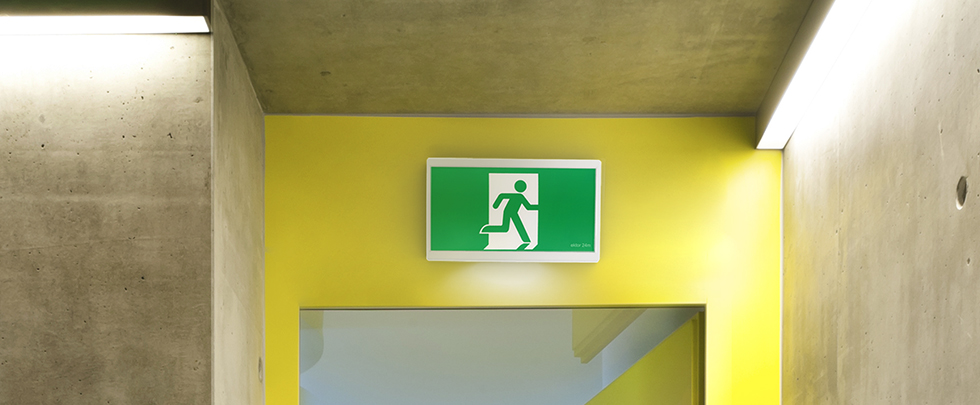
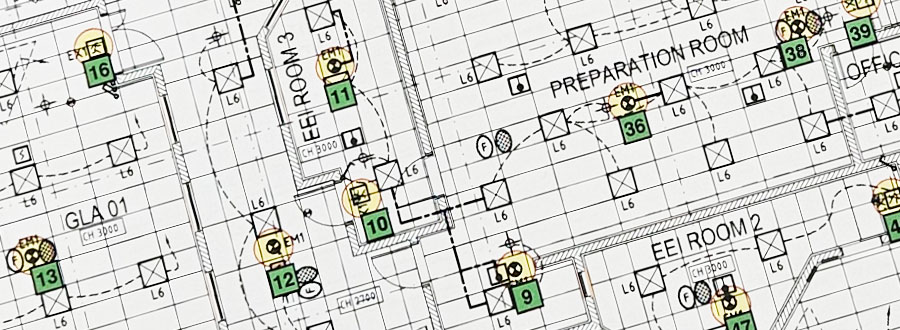
Emergency lighting systems must provide adequate lighting along emergency exit paths to ensure safe evacuation. Emergency lights, called luminaires, have a classification number that relates to their level of light output, e.g. D50. By cross-referencing this number against spacing tables, the system can be designed to ensure minimum light levels are achieved across the emergency lighting design plan. For exit signs, there are specific rules on where they need to be placed and their size and positioning. When systems are designed and commissioned, baseline data on the system’s specifications is created for record and comparison during scheduled maintenance. Additionally, part 1 of AS/NZS 2293 explains power supply requirements, wiring, and other electrical aspects of the system to ensure reliable operation.
Maintenance – Testing and upkeep
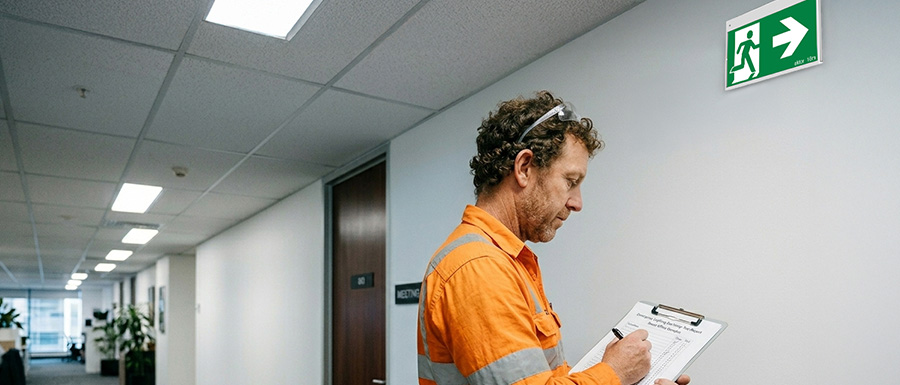
All emergency lighting systems need to be serviced and tested every 6 months by a competent professional and records kept for a minimum of 7 years. During 6-monthly servicing, all self-contained battery powered emergency luminaires undergo a duration test to ensure they remain well-lit for a minimum of 90 minutes. Any luminaires which fail have their batteries or the whole fitting replaced. In addition, the entire system is checked for proper function and performance and is compared against available baseline data. All fittings are assessed for visibility, with any obstructions noted and cleaning completed where required. Additional maintenance steps are undertaken at 12 month and 10-year intervals.
Compliant Product – Performance and design
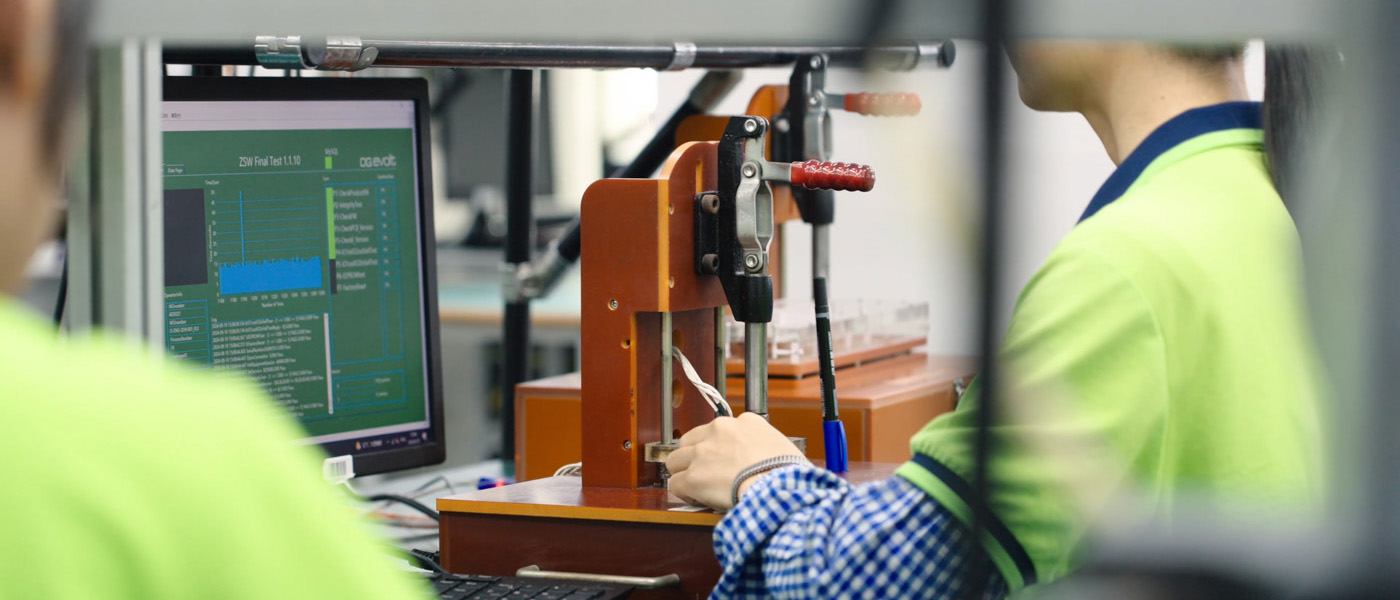
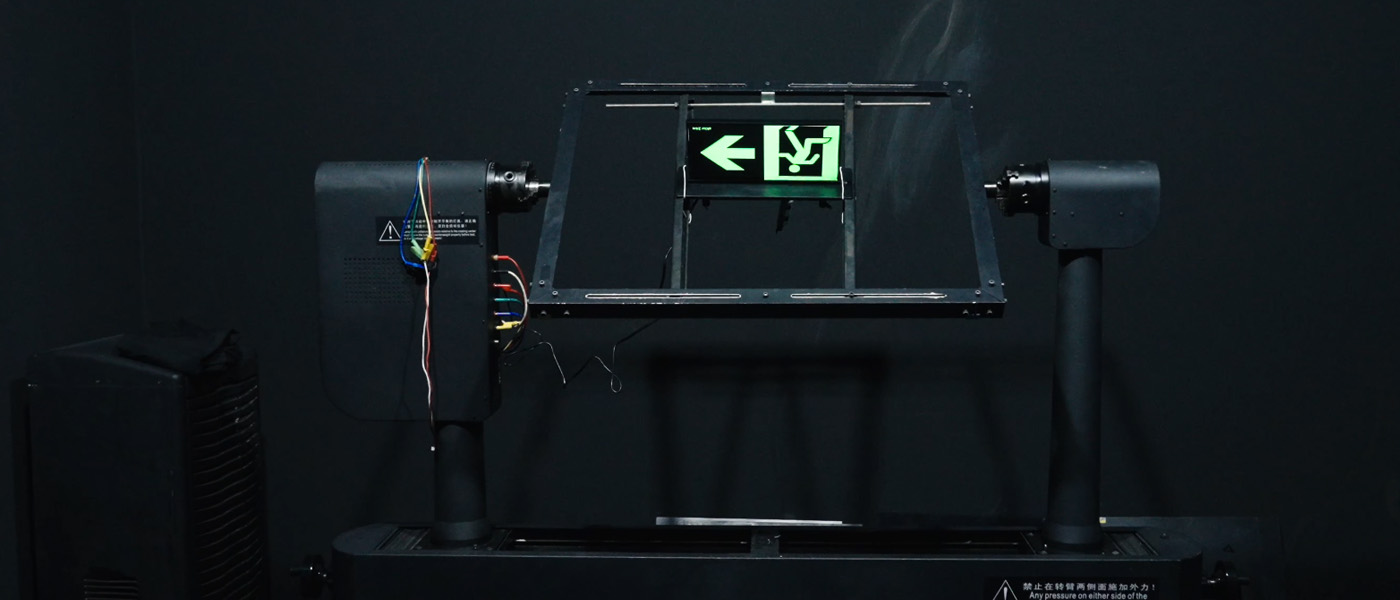
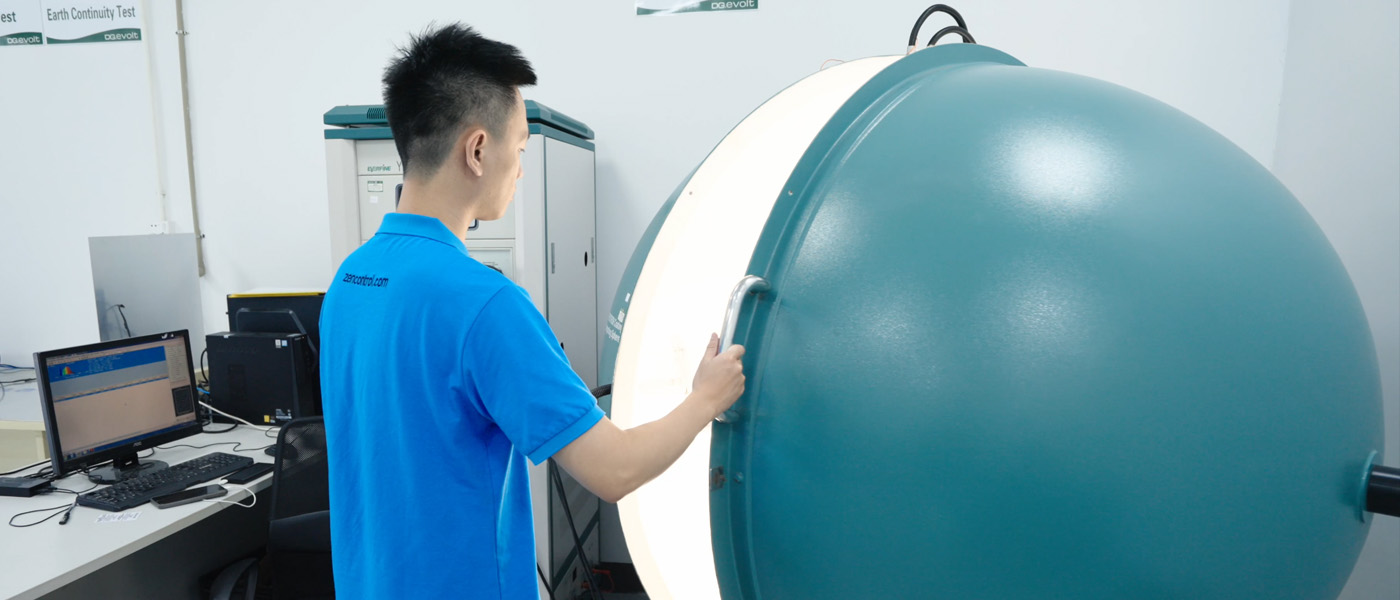
Product compliance is an important part of effective emergency lighting systems. Products must meet a range of standards, from brightness levels to battery backup system performance, to exit sign size, decals, and illumination. Non-compliant products risk occupant safety and building compliance.
Ektor’s emergency lighting products are rigorously and independently tested for compliance and are designed from the outset to meet the strict requirements of all required local standards, including AS/NZS 2293, IEC 60598.2.22, CISPR 15, and more. Learn more about our compliance and testing procedures.
Types of emergency lighting
Emergency luminaires typically fall into two main categories, maintained and non-maintained.
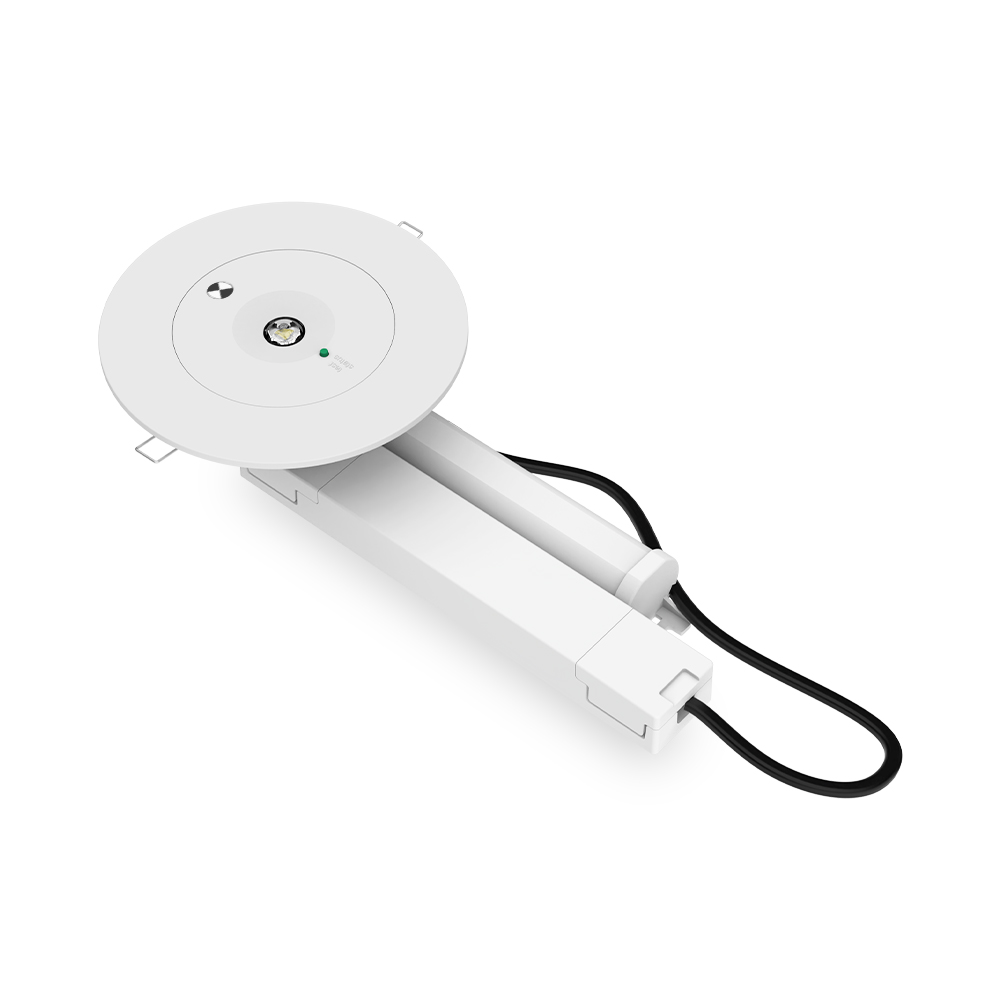
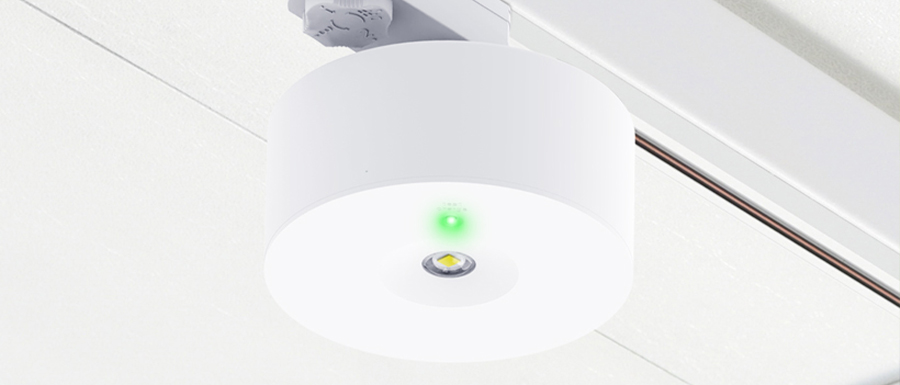
Non-maintained emergency luminaires are only lit during an emergency or power outage. They are connected to mains power only to keep batteries charged and to monitor for power interruptions. Emergency luminaires like the Ektor Ledfire and some exit signs are common examples.
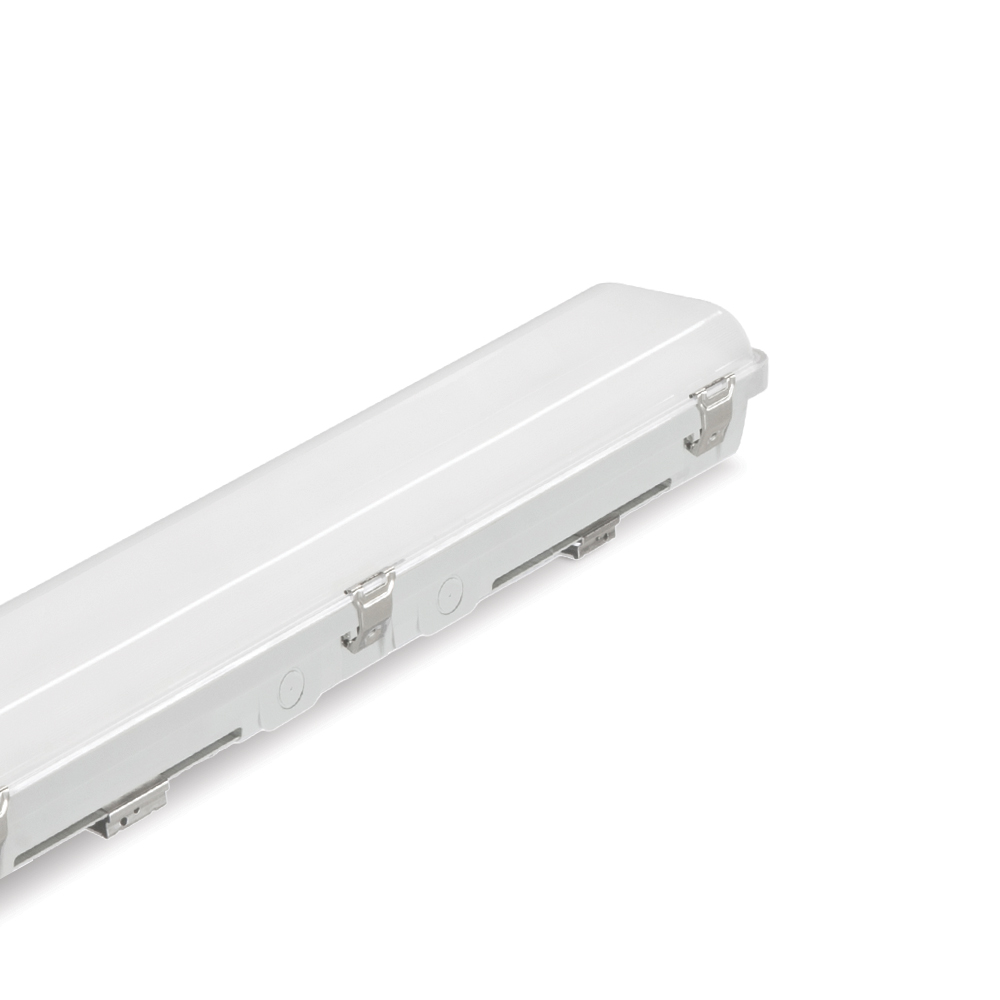
Maintained emergency luminaires are those which are lit during normal operation as well as during emergencies. By combining general lighting and emergency lighting in a single fitting, the overall number of fittings required and the labour to install and maintain them is reduced. Examples include emergency battens, oysters, bunkers and maintained exit signs.
Emergency lighting discharge testing methods
Manual testing
Manual testing is the most basic method for meeting Australian compliance obligations. This method requires a technician to manually isolate emergency lighting circuits for the mandatory 90-minute discharge period. Each luminaire is then physically inspected, and results recorded in a logbook. To minimise downtime, many commercial switchboards have emergency test timers which allow for circuit isolation without interrupting power supply to the rest of the building. See our emergency test timers for more information.
Self-testing luminaires
Self-testing luminaires, such as Ektor SafeTest, offer a more automated approach. These units are programmed to perform the mandatory six-month discharge test automatically, checking the health of the lamp, battery, and control gear. The results are recorded onboard the luminaire itself to be recalled when required. Results are usually indicated with coloured LED lights to then be recorded in a logbook. While a technician still needs to walk the site to check each fitting, the need to manually trigger the testing sequence and wait 90 minutes is eliminated.
Monitored systems
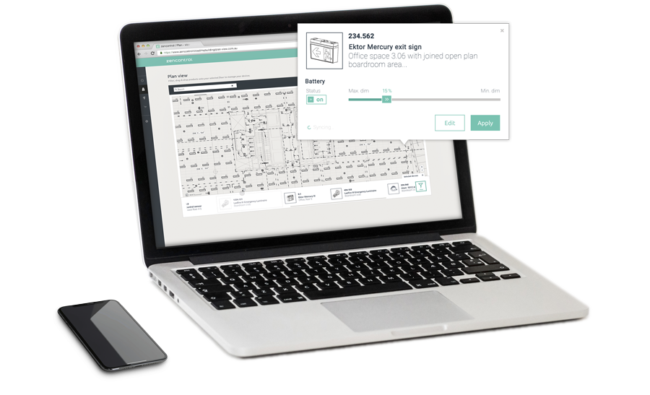
Monitored systems are the most advanced tier of emergency lighting management. In this case, luminaires are networked to a central control system. DALI and Lynk lighting control systems are examples and support two-way communication, which allows device health and power usage to be reported in real time. Not only do these systems automatically conduct mandatory testing, they generate remotely accessible, compliant reports, removing the need to manually create discharge reports. This reduces inconsistency and human error, and the labour savings can be substantial for a large building or grouped estate.
Beyond automated testing, monitored systems can manage maintained luminaires through scheduled dimming and smart control logic.
Testing methods compared
| Test method | Maintenance overhead | Diagnostic output | Initial cost |
|---|---|---|---|
| Manual |
High: Requires manual triggering of discharge test, wait 90 minutes, and inspection of each fitting. |
Physical inspection required |
Lowest |
| Self-testing devices |
Medium: Automated testing but each fitting must be checked and test result recorded. |
Coloured LEDs indicate fault type |
Low |
| Monitored system |
Low: Automated testing and reporting. |
Detailed historical diagnostic data |
Medium to high |
The hidden cost of proprietary systems
The market for monitored emergency lighting is largely divided between proprietary and open-protocol solutions. In a proprietary system, the software can only communicate with hardware from the same manufacturer. This creates a closed ecosystem, essentially locking building owners into a single vendor for the life of the installation. If that manufacturer increases prices or discontinues a product line, the owner has limited recourse.
As a member of the DALI alliance, Ektor avoids this risk by utilising the premiere international open protocols for advanced lighting control, IEC 62386 and DALI. By utilising these open protocols, Ektor luminaires are compatible with any compliant control system. Similarly, the control systems provided by our partner, zencontrol, are designed to work with compatible luminaires from other manufacturers.
Learn more about zencontrol, winners of Best Lighting Control System at the 2025 Lighting Industry Excellence Awards.
This interoperability allows you to deploy a multi-vendor system from the start or upgrade and switch manufacturers later based on project needs. The global adoption of the DALI standard ensures that competition keeps costs down and innovation high, as manufacturers must constantly earn your business through performance rather than through a locked ecosystem.
The latest in emergency lighting compliance technology
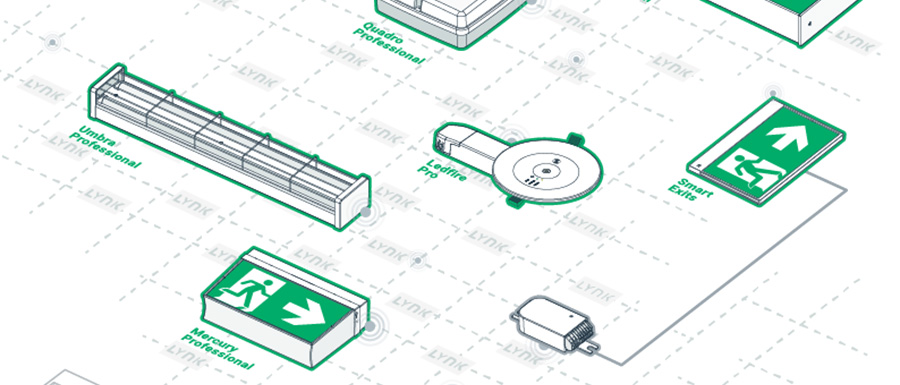
The latest significant innovation in emergency lighting is wireless meshing, which provides all the benefits of a monitored system without the need for dedicated control cabling beyond mains power supply. This significantly reduces material and labour costs during both new builds and retrofits. With the network backbone and wireless gateways set up, emergency luminaires are commissioned into the system wirelessly, typically through easy-to-use mobile apps.
Ektor Lynk is a wireless mesh solution that maintains an open-protocol foundation. It communicates over Thread, a highly secure and advanced wireless mesh developed by Google.
Share the article
Resources
Check out more information about Ektor’s quality components.

